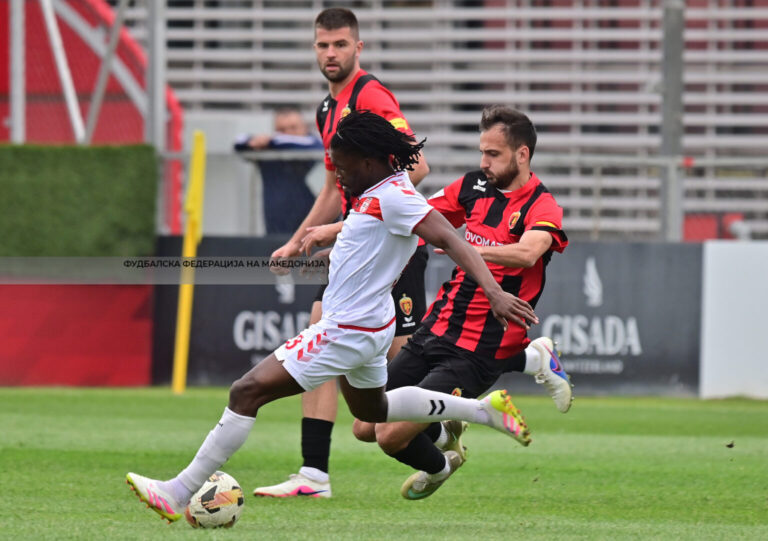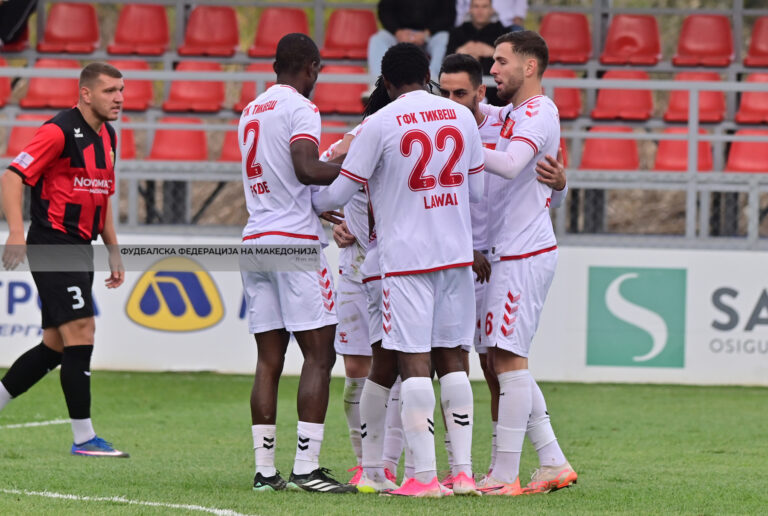
Regarding the match between FC Vardar and FC Tikvesh in the Macedonia Cup, played on 28.10.2026, the Refereeing Board provides the following expert clarification regarding certain refereeing decisions, in the interest of a public and transparent assessment of the situation.
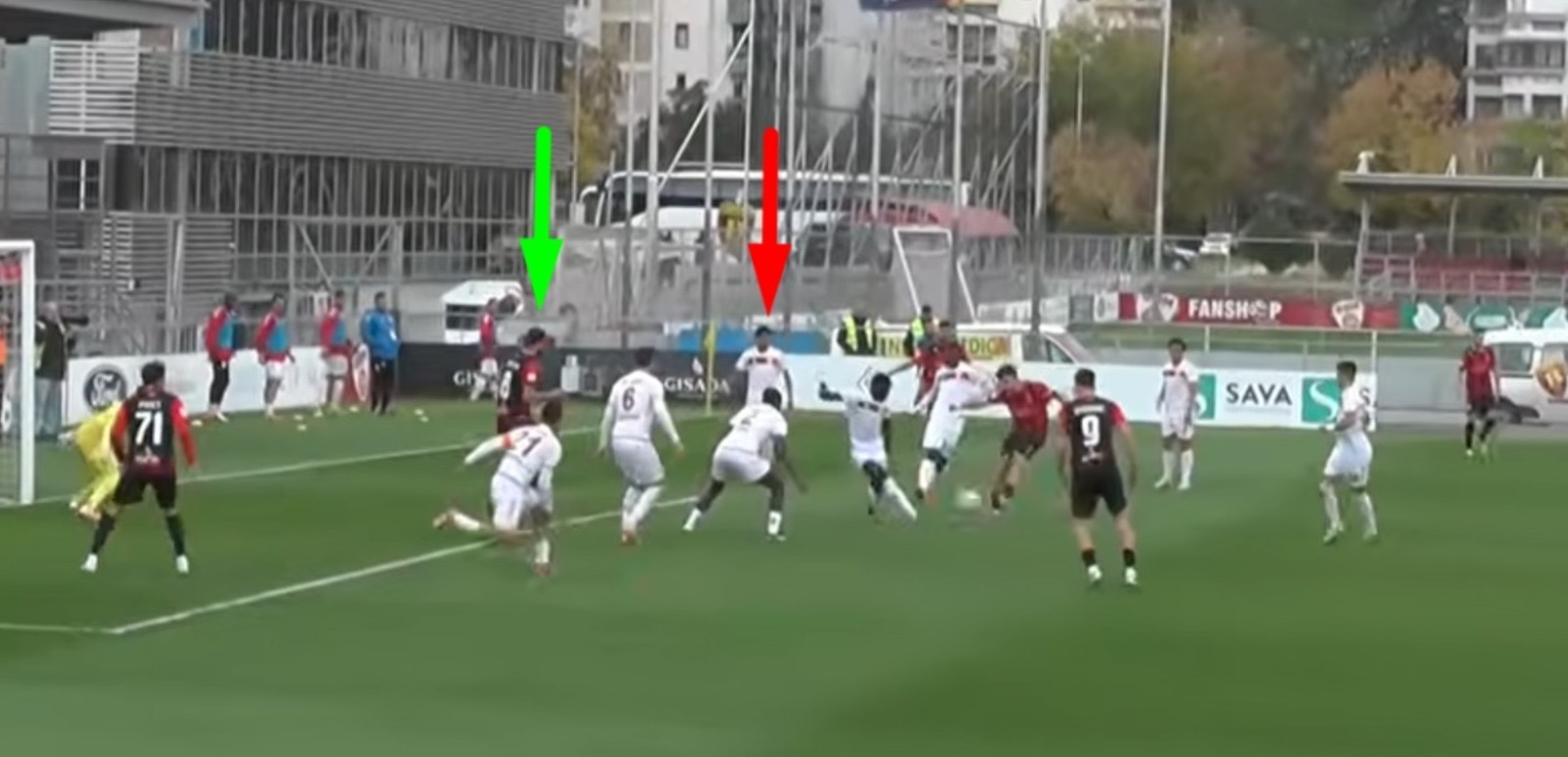
In the 58th minute, a goal was scored for the home team and was correctly awarded by the first assistant referee. Namely, for an expert analysis of any offside decision, the exact moment of contact with the ball during the relevant play by a teammate, the attacker’s position in relation to the ball and the second-last defender, and which player subsequently plays the ball or affects an opponent must be established. Based on the available video footage, it cannot in any way be confirmed that the assistant referee made an incorrect decision, because it is clearly visible from the footage that a defender positioned to the side of the goal on the assistant referee’s side withdrew late and remained the second-last defender. In this situation, the attacker was not in an offside position at the moment the ball was played towards him, and a valid goal was scored.
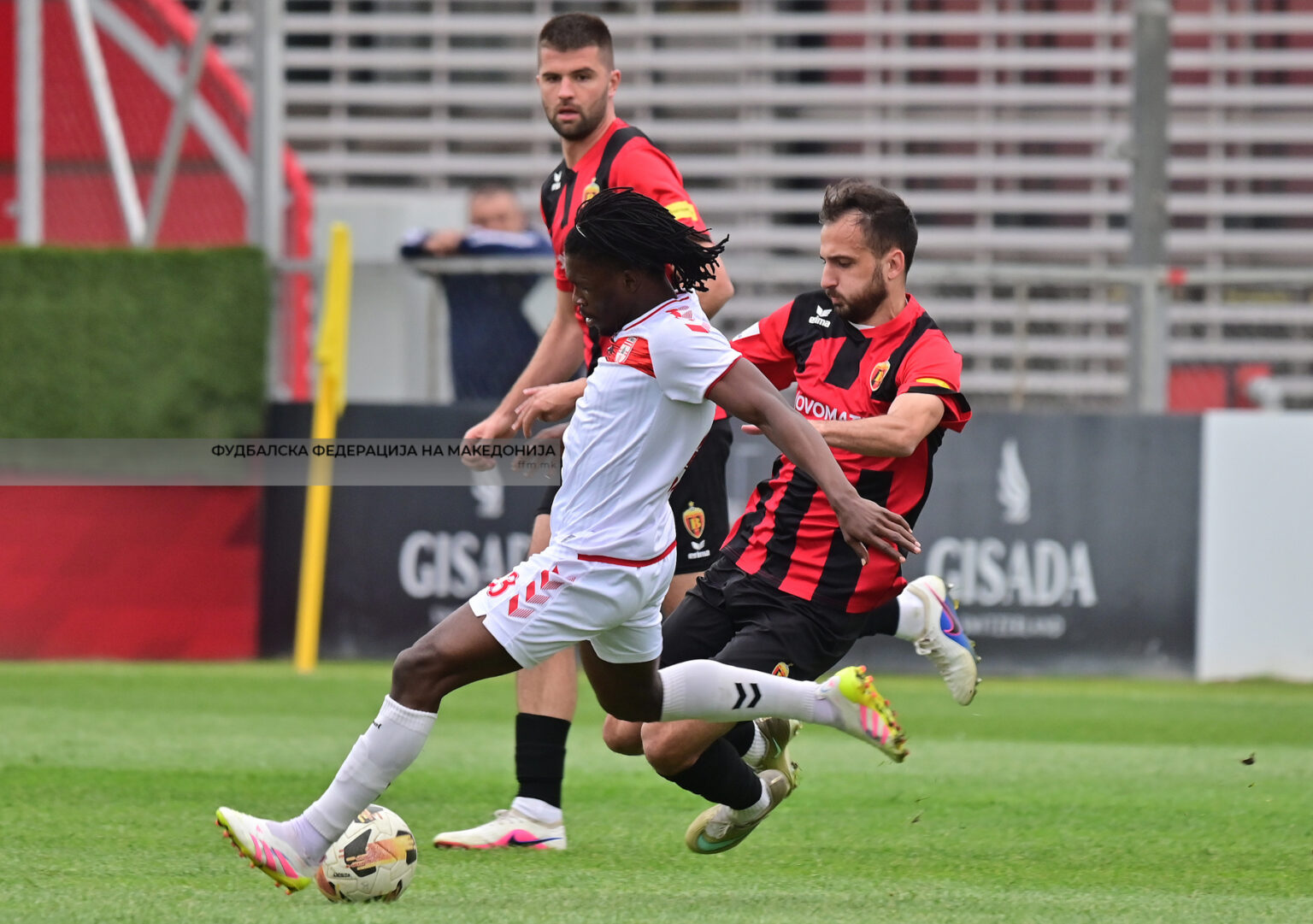
In the 77th minute, a yellow card was shown to player no. 34 of the home team. In this situation, the player’s conduct and the seriousness of the offence justified a disciplinary sanction of a yellow card and in no way met the criteria under the Laws of the Game for a direct sending-off. The nature and intensity of the action did not indicate the use or attempted use of excessive force or brutality that would constitute serious foul play or violent conduct. This refereeing decision was based on the action itself, the fact that excessive force was not used, and the consequences of the contact. Therefore, the disciplinary sanction of a yellow card was appropriate to the nature of the offence.
In the 89th minute, a yellow card was shown to player no. 4 of the away team for a late and excessively forceful challenge in an attempt to play the ball, with contact to the lower part of the opposing player’s leg. In assessing the overall movement and intensity of the offence, the use of excessive force or endangering the opponent’s safety, which would have qualified the challenge as serious foul play warranting a direct red card, was not established. The appropriate disciplinary sanction for such an excessively forceful challenge is a yellow card. At the same time, the assessment of which team should have been awarded the free kick is best made by the referee, who was only a few metres from the offence, but under no circumstances should this situation be interpreted as a missed direct red card.
At the same time, we would point out that during the build-up phases preceding the second and third goals scored by the away team, contacts were observed for which there were grounds to award fouls against the home team. Nevertheless, in accordance with the criterion applied throughout the match, the referee deemed them permissible and allowed play to continue, after which the away team scored goals.
The Refereeing Board notes that each situation is assessed according to the specific criteria of the Laws of the Game, taking into account the complete course of the action, its intensity, the manner and location of the contact, and the danger to the opposing player. In this match, all 12 disciplinary sanctions were correctly awarded. The criterion was applied consistently from the beginning to the end, with successful management of the game and the players, and with no refereeing decisions affecting the course of play or the final result of the match.
We emphasize that no fabrications, pressure or inventions will deter us from making decisions exclusively on the basis of the Laws of the Game, with the consistent application of the principle of equal treatment for all.